

As a supplier of purple cutting mats, I often get asked by customers how they can determine if a purple cutting mat is of good quality. In this blog post, I'll share some key factors to consider when evaluating the quality of a purple cutting mat, drawing from my experience in the industry.
Material Quality
The first and most crucial aspect of a high - quality purple cutting mat is the material it's made from. A good purple cutting mat is typically crafted from a durable and resilient material. For instance, many top - of - the - line cutting mats are made from a special type of PVC (polyvinyl chloride) or rubber - based materials. These materials are known for their ability to withstand repeated cuts without showing excessive wear and tear.
PVC cutting mats are popular because they are smooth, which allows for easy gliding of cutting tools. They also have a certain level of flexibility, which helps in preventing the mat from cracking or breaking. Rubber - based mats, on the other hand, offer excellent shock absorption. This is particularly important when using sharp cutting tools, as it reduces the impact on the tool and the mat itself.
When examining a purple cutting mat, look for a material that feels dense and solid. If the mat feels flimsy or has a spongy texture that doesn't bounce back well after pressure, it may not be of the best quality. A high - quality mat should have a consistent feel throughout, without any soft spots or uneven areas.
Cutting Surface
The cutting surface of a purple cutting mat is another critical factor. A good cutting mat should have a surface that is both smooth and resistant to cuts. The smoothness ensures that the cutting tool can move freely across the mat, allowing for precise cuts. At the same time, the resistance to cuts means that the mat will maintain its integrity over time.
A well - made purple cutting mat will have a surface that doesn't fray or develop large grooves after a few cuts. You can test the cutting surface by making a few small cuts with a sharp blade on an inconspicuous area of the mat. If the cuts are clean and the surface doesn't show signs of excessive damage, it's a good indication of quality.
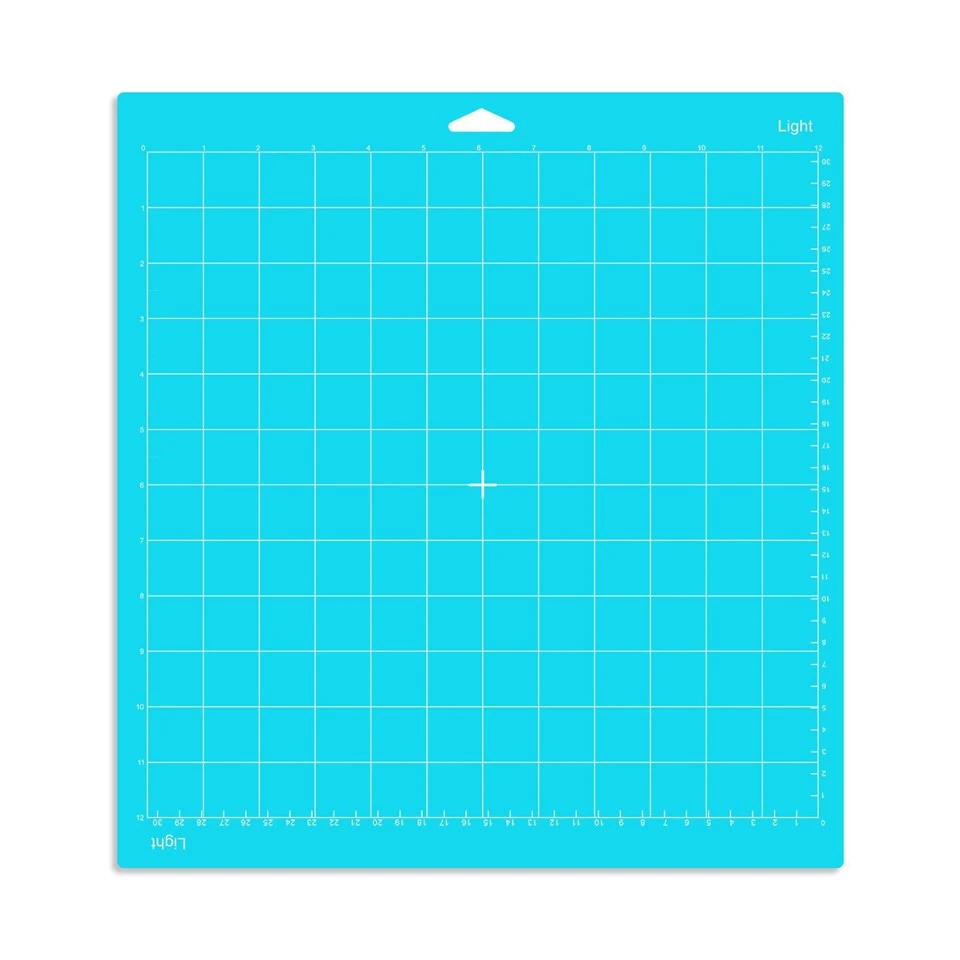
Some purple cutting mats come with a grid pattern on the surface. This can be very useful for making accurate cuts, especially when working on projects that require precise measurements. A high - quality grid pattern should be clear, accurate, and resistant to fading. Check to see if the grid lines are straight and evenly spaced. If the lines are blurry or start to fade after a short period of use, it may suggest that the mat is of lower quality.
Adhesive Quality (if applicable)
If your purple cutting mat is an adhesive - backed mat, the quality of the adhesive is of utmost importance. A good adhesive should hold the mat firmly in place on the work surface without leaving any residue when removed.
For example, our Standard Adhesive Cutting Mat and Light Adhesive Cutting Mat are designed with high - quality adhesives. The standard adhesive provides a strong hold for long - term use, while the light adhesive is ideal for applications where you may need to reposition the mat frequently.
When testing the adhesive, press the mat firmly onto a clean, flat surface. Then, try to lift one corner of the mat. If it peels off easily without leaving any sticky residue, it's a sign of a good - quality adhesive. On the other hand, if the mat doesn't stick well or leaves a sticky mess behind, it may not be a reliable product.
Thickness and Durability
The thickness of a purple cutting mat can also affect its quality and performance. A thicker mat generally offers more durability and better protection for your work surface. Thicker mats are less likely to be damaged by deep cuts and can absorb more of the impact from cutting.
However, it's important to find the right balance. A mat that is too thick may be cumbersome to work with, especially if you need to move it around frequently. A good rule of thumb is to look for a mat that is between 3mm and 5mm thick. This thickness provides a good combination of durability and flexibility.
To test the durability of a purple cutting mat, you can try folding it gently. A high - quality mat should be able to withstand some bending without cracking or breaking. You can also roll the mat up and see if it retains its shape when unrolled. If the mat becomes misshapen or develops creases that don't go away, it may not be as durable as you need.
Colorfastness
Since we're talking about purple cutting mats, colorfastness is an important consideration. A good purple cutting mat should maintain its color over time, even with regular use. Exposure to sunlight, cleaning agents, and cutting debris can all affect the color of the mat.
To check the colorfastness, you can try wiping the mat with a clean, damp cloth. If the color rubs off onto the cloth, it's a sign that the mat may not have good colorfastness. Additionally, if you notice that the color starts to fade after a short period of use, it may not be a high - quality product.

Edge Quality
The edges of a purple cutting mat can also give you an indication of its quality. A well - made mat will have smooth, clean edges. Rough or uneven edges can be a sign of poor manufacturing quality.
When handling the mat, run your fingers along the edges. If you feel any rough spots, burrs, or jagged areas, it may suggest that the mat was not properly finished. High - quality mats are often cut precisely, resulting in straight and smooth edges.
Comparison with Other Cutting Mats
It can also be helpful to compare the purple cutting mat with other types of cutting mats, such as our Green Cutting Mat. By comparing different mats, you can get a better sense of what to expect in terms of quality.
Look at the features, performance, and price of different mats. You may find that the purple cutting mat offers unique advantages, such as a different color for better visibility or a specific type of material that is more suitable for your needs.
Conclusion
Determining the quality of a purple cutting mat involves considering multiple factors, including the material, cutting surface, adhesive quality (if applicable), thickness, colorfastness, and edge quality. By carefully evaluating these aspects, you can ensure that you're getting a high - quality product that will meet your needs and last for a long time.
If you're interested in purchasing high - quality purple cutting mats or have any questions about our products, I encourage you to reach out to us for a detailed discussion. We're here to help you find the best cutting mat solution for your specific requirements.
References
- General knowledge from years of experience in the cutting mat industry.
- Product testing and research on various cutting mat materials and features.